Sequential vs Conventional CNG Kits: What’s the Difference?

Not all CNG kits are the same. Understanding the difference between conventional and sequential systems helps you choose the right one for your vehicle.

Conventional (venturi) kits

A conventional kit uses a reducer and a mixer to draw gas into the engine’s air intake. It is simple and robust, which is why it still suits older carburettor and BS III vehicles and three-wheelers – such as our AUTOCRON AC-90 and Premium kits.

Sequential injection kits

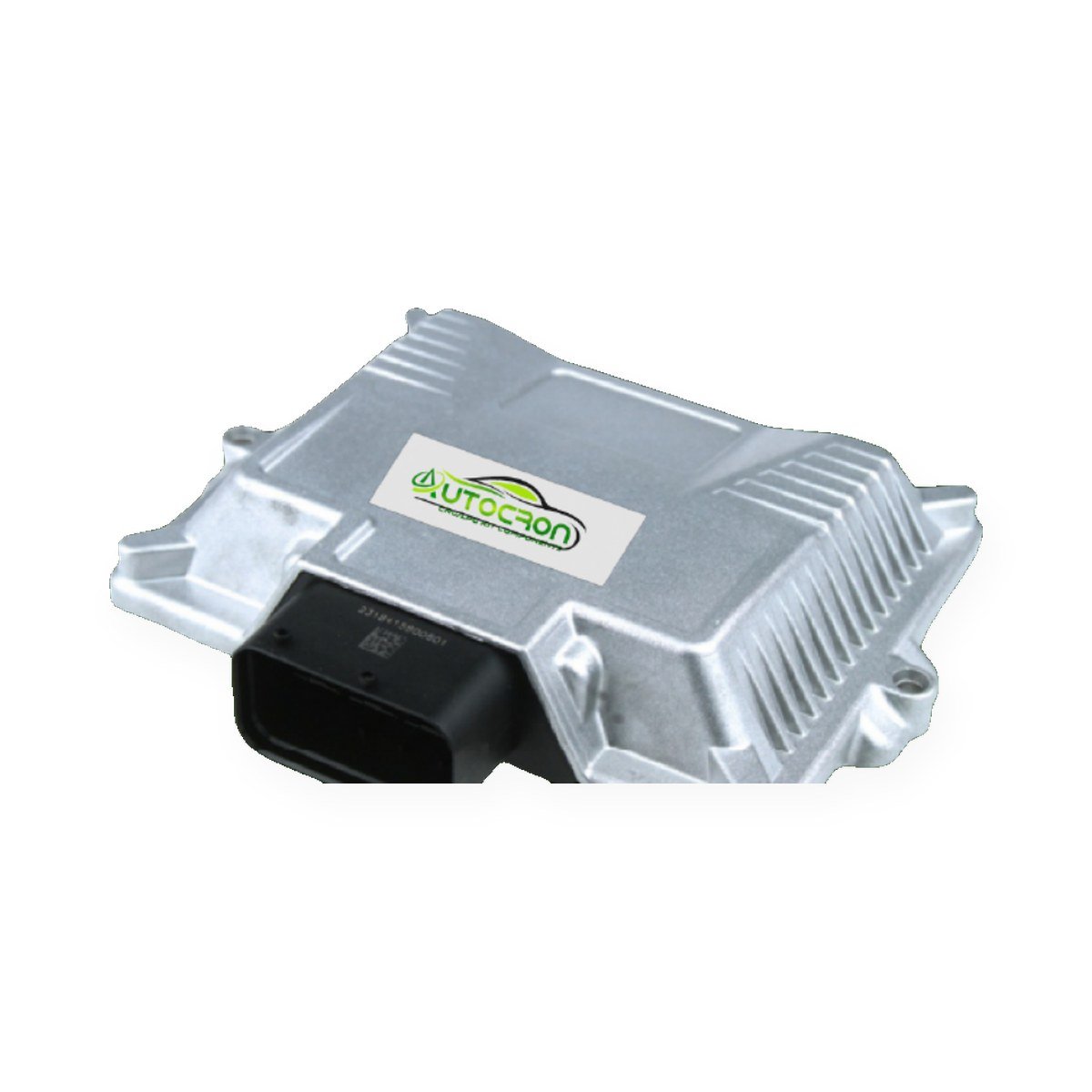
A sequential kit works like a modern petrol injection system. The gas ECU reads the engine’s sensors and calculates exactly how much CNG each cylinder needs, then fires a dedicated gas injector at the right moment.

  • Better drivability – smoother pick-up and performance closer to petrol
  • Better efficiency – precise metering means less wasted gas
  • Lower emissions – essential for BS IV and BS VI compliance
  • OBD compatibility – kits like AUTOCRON Smart OBD adapt fuel trims automatically

Main components of a sequential kit

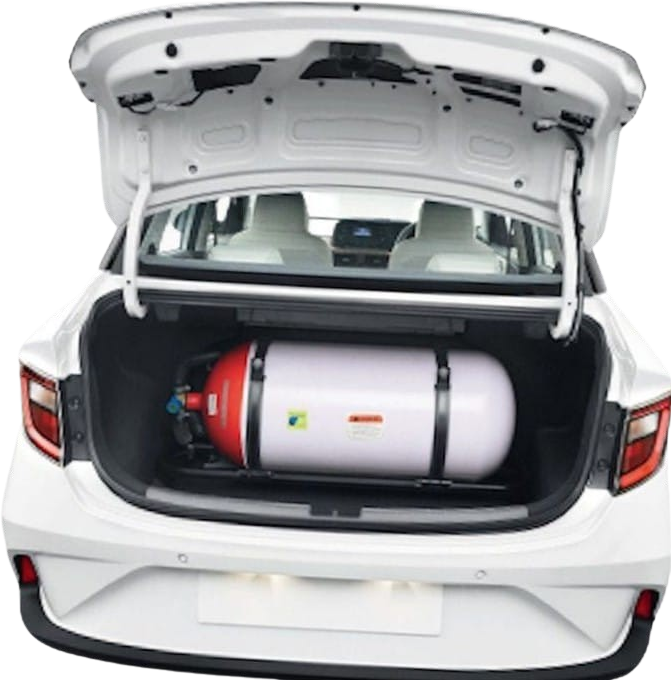
Gas ECU, reducer, injector rail, gas filter with pressure and temperature sensors, changeover switch with gas-level indicator, filling valve, cylinder valve and high-pressure tubing. All AUTOCRON components are built to ECE R67-01 and ISO 15500.

Not sure which kit fits your car? Explore our kit range or talk to our team.

Picture of AUTOCRON India Team
AUTOCRON India Team
The AUTOCRON India team – CNG, LPG and dual-fuel technology specialists from Gasoline Fuel Systems India, Pune.